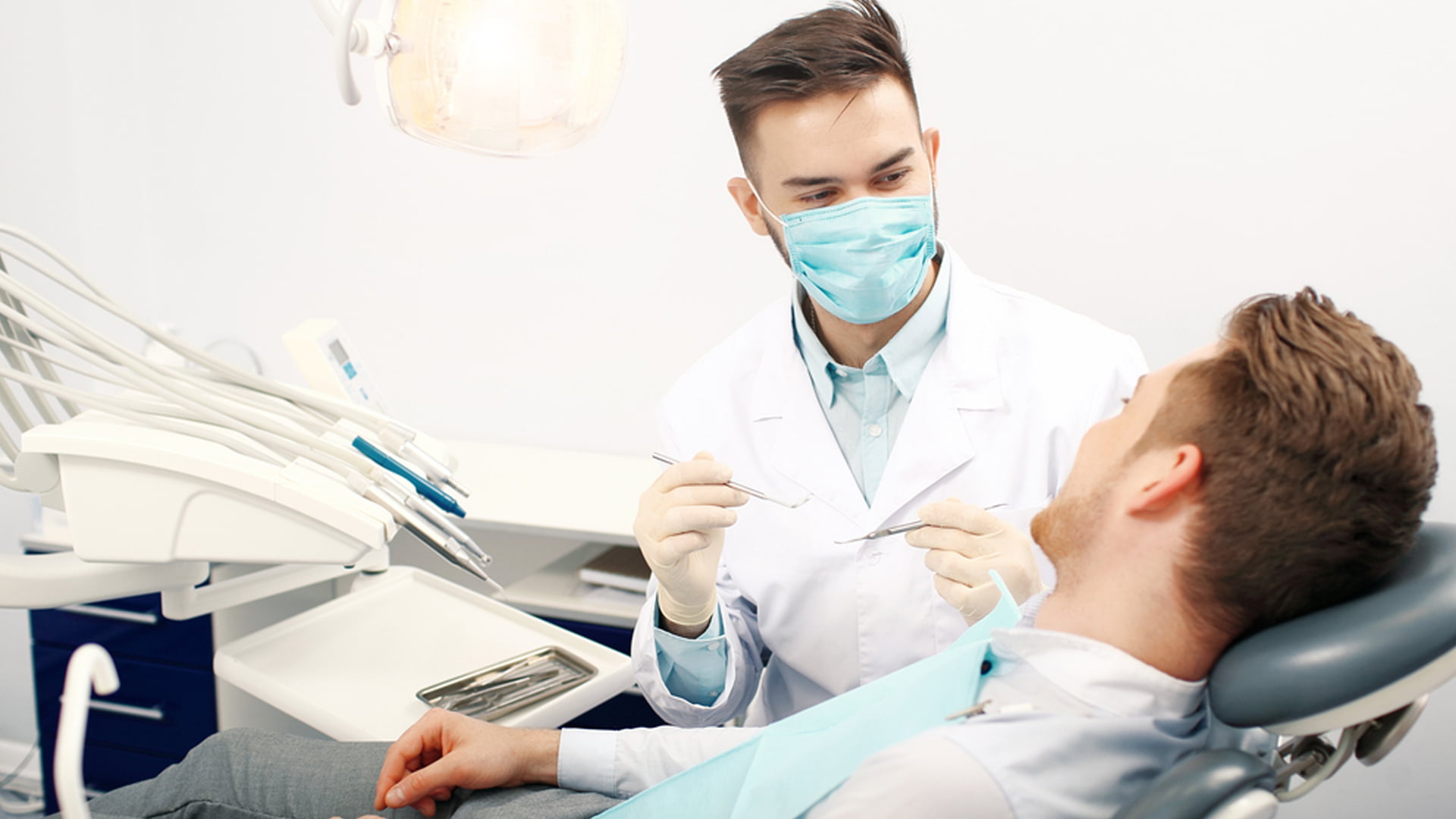
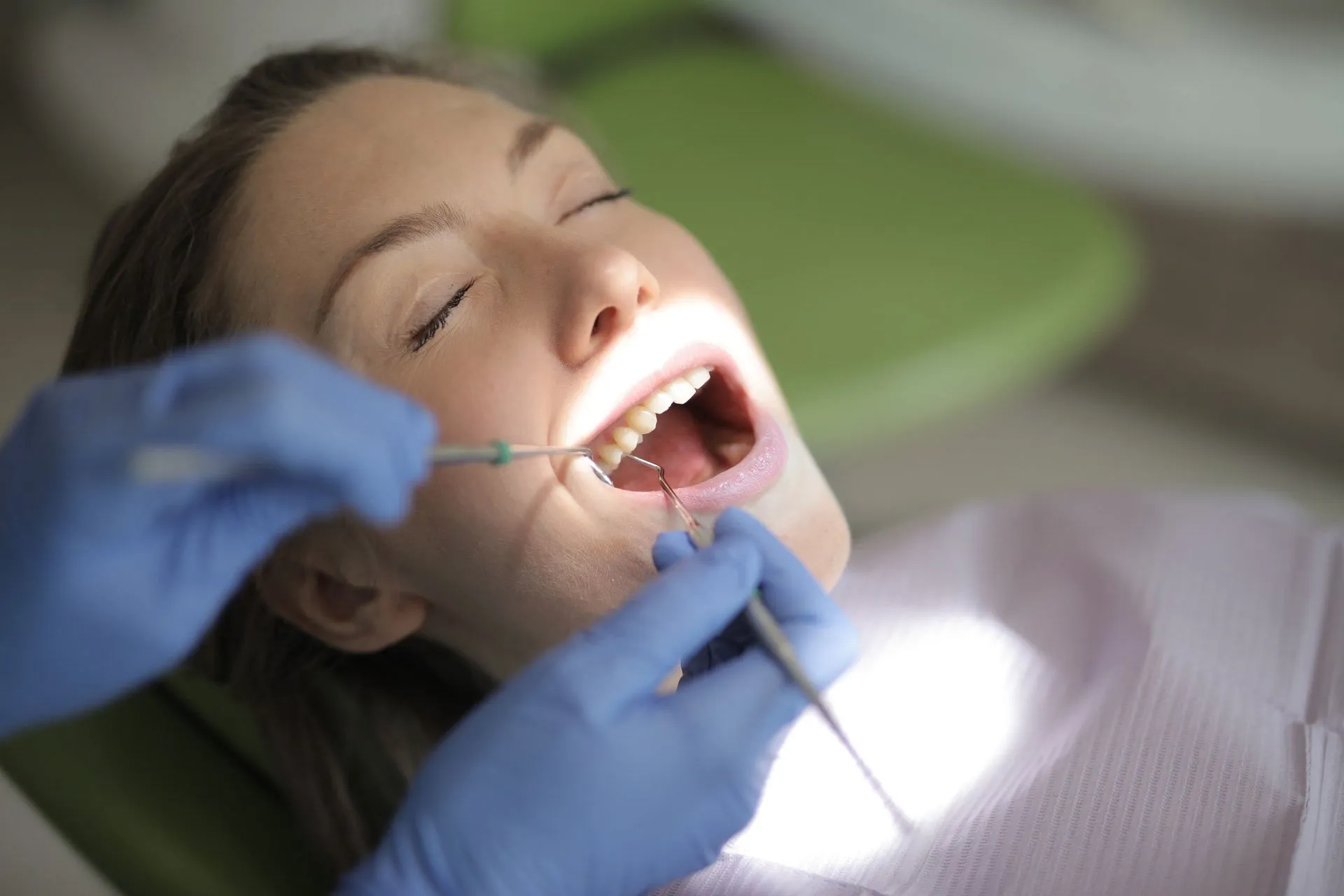
Oral health is intricately connected to overall health in ways that may surprise you. The mouth-body connection reveals how the state of your oral health can impact various aspects of your well-being. Research has shown that poor oral health is linked to an increased risk of cardiovascular disease, diabetes management complications, respiratory conditions, and even certain types of cancer. By understanding and prioritizing your oral health, you can take proactive steps towards improving your overall health and quality of life.
Understanding the relationship between oral health and cardiovascular disease unveils a complex and fascinating connection that goes beyond the surface. Research has revealed compelling evidence linking the health of our mouths to the health of our hearts. Poor oral hygiene and gum disease have been associated with an increased risk of developing cardiovascular problems such as heart disease, stroke, and atherosclerosis. This intricate connection highlights the importance of maintaining good oral health as a crucial component of overall cardiovascular well-being. By prioritizing regular dental care and adopting healthy oral hygiene practices, individuals can take proactive steps towards promoting a healthier heart and a healthier life.
As awareness grows about the profound connection between oral health and overall well-being, it becomes evident that regular visits to a trusted general dentistry practice are paramount. Building upon the mouth-body connection discussed earlier, maintaining optimal oral health requires the expertise of professionals who understand the intricate dynamics at play. In collaboration with reputable dental clinics like Colby Dental Highland, In, researchers continue to explore the profound implications of oral health on systemic conditions. Their commitment to advancing knowledge and providing comprehensive dental care exemplifies the significance of integrating dental expertise into the broader scope of healthcare. By recognizing the invaluable role of general dentistry, individuals can ensure a solid foundation for their overall health, paving the way for a healthier future.
Poor oral health can have a significant impact on diabetes management, with potential consequences ranging from increased risk of developing type 2 diabetes to worsening blood sugar control in individuals already diagnosed with diabetes. Moreover, people with diabetes are more likely to experience gum disease, possibly due to links between gum disease and insulin resistance. Compromised oral health can further contribute to impaired wound healing and a heightened risk of infections, elevating the overall risk of diabetes-related complications. Recognizing the importance of regular dental check-ups, oral hygiene practices, and collaboration between dental professionals and healthcare providers becomes crucial in effectively managing diabetes. Additionally, providing oral health education as an integral part of diabetes self-care can help address the specific oral health needs of individuals with diabetes, ultimately leading to improved overall health outcomes.
The intriguing connection between oral health and respiratory conditions reveals a complex relationship that goes beyond what meets the eye. Research has shed light on the potential links between poor oral health and various respiratory issues, including pneumonia, chronic obstructive pulmonary disease (COPD), and even aspiration pneumonia. Maintaining optimal oral hygiene practices, such as regular brushing, flossing, and professional dental cleanings, may play a crucial role in reducing the risk of respiratory infections and improving overall respiratory health. By unveiling and understanding this intricate connection, individuals can take proactive steps towards safeguarding their respiratory well-being and enhancing their overall quality of life.
General dentistry plays a crucial and multifaceted role in the early detection of oral cancer, highlighting its vital importance in preserving overall health. Dental professionals are trained to perform comprehensive oral examinations, including thorough screenings for signs of oral cancer. Through meticulous observation and utilization of advanced diagnostic tools, they can identify early warning signs such as abnormal tissue growth, lesions, or discoloration. Detecting oral cancer in its initial stages significantly improves the chances of successful treatment and enhances patient outcomes. Regular visits to a trusted general dentistry practice, combined with the expertise and vigilance of dental professionals, provide a powerful defense against oral cancer and underscore the irreplaceable role of general dentistry in maintaining optimal oral and overall health.
Importance of General Dentistry for Overall Health |
|---|
|
Regular Dental Check-ups: Regular dental check-ups are essential for maintaining good oral health and preventing potential issues from progressing. Dentists can identify early signs of dental problems, such as tooth decay or gum disease, allowing for prompt intervention and treatment. |
|
Preventive Care: General dentistry emphasizes preventive care, including professional cleanings, dental sealants, and fluoride treatments. These preventive measures help protect teeth and gums, reducing the risk of dental diseases and ensuring long-term oral health. |
|
Early Detection of Oral Diseases: General dentists play a vital role in the early detection of oral diseases, such as oral cancer. Through comprehensive examinations and oral cancer screenings, dentists can identify potential abnormalities and refer patients for further evaluation and treatment. |
|
Treatment of Dental Issues: General dentistry encompasses a wide range of dental treatments, including fillings, root canals, and extractions. By addressing dental issues promptly, general dentists help prevent complications and ensure optimal oral health. |
|
Promotion of Overall Health: Maintaining good oral health is closely linked to overall health. Poor oral health has been associated with various systemic conditions, such as cardiovascular disease and diabetes. General dentistry contributes to the promotion of overall health by addressing oral health concerns and preventing potential complications. |
Preserving a healthy and complete smile requires proactive measures, and regular dental check-ups play a vital role in preventing tooth loss. These check-ups allow dentists to detect early signs of tooth decay, gum disease, or other dental issues that could lead to tooth loss if left untreated. By addressing these concerns promptly through a combination of preventive treatments, such as cleanings and examinations, alongside necessary interventions like fillings or root canals, dental professionals can help patients maintain their natural teeth for longer. With regular dental check-ups, individuals can take an active stance in preserving their oral health and preventing the unfortunate consequences of tooth loss, ensuring a confident and functional smile for years to come.
Gum disease, often overlooked and underestimated, poses a silent threat that extends beyond oral health alone, exerting a profound impact on systemic well-being. As an intricate inflammatory condition, gum disease has been linked to various systemic health issues, including cardiovascular disease, diabetes, respiratory conditions, and even adverse pregnancy outcomes. The complex interplay between the oral microbiome and the body's overall health highlights the significance of addressing and managing gum disease. Through diligent oral hygiene practices, regular dental check-ups, and professional treatments, individuals can combat this hidden menace, safeguarding not only their oral health but also promoting a healthier and more vibrant life.
During pregnancy, prioritizing oral health becomes paramount for ensuring both the mother's well-being and the baby's healthy development. The complex hormonal changes that occur during pregnancy can increase the risk of dental issues, such as gum disease and tooth decay. Maintaining optimal dental care through regular check-ups, proper oral hygiene practices, and a balanced diet not only helps prevent potential complications but also promotes overall wellness. By addressing any oral health concerns proactively and seeking professional dental care tailored to the unique needs of pregnancy, expectant mothers can embark on this transformative journey with confidence, knowing they are nurturing their oral health for a healthy pregnancy and a brighter future for their child.
The intricate link between oral health and nutrition reveals a captivating connection that goes beyond the surface. Our dietary choices and nutritional intake play a crucial role in maintaining optimal oral health. A well-balanced diet rich in essential vitamins, minerals, and nutrients contributes to strong teeth, healthy gums, and overall oral well-being. Conversely, poor nutrition can compromise oral health, leading to tooth decay, gum disease, and other oral health issues. By understanding and unlocking this connection, individuals can make informed choices about their diet, ensuring they provide the necessary nutrients to support their oral health. Incorporating a variety of nutrient-dense foods, practicing good oral hygiene, and seeking regular dental care are vital steps in harnessing the power of nutrition for a healthy and vibrant smile.
The intricate interplay between oral health and mental well-being unveils a fascinating connection that goes beyond what meets the eye. Research has shed light on the profound influence of oral health on mental health, recognizing the impact of conditions like gum disease, tooth loss, and oral pain on psychological well-being. Conversely, poor mental health can also contribute to neglecting oral health and exacerbating dental issues. Understanding and exploring this mind-body connection is crucial for fostering holistic well-being. By prioritizing regular dental care, practicing good oral hygiene, and seeking professional support, individuals can not only promote their oral health but also nurture their mental well-being, cultivating a harmonious balance between the two for a healthier and happier life.
General dentistry is important for overall health because it helps prevent and treat dental issues that can have a direct impact on systemic health. Regular dental check-ups and cleanings can detect early signs of oral diseases, such as gum disease or tooth decay, which are linked to various health conditions like cardiovascular disease and diabetes.
General dentistry contributes to maintaining optimal oral health through preventive care measures such as professional cleanings, dental examinations, and oral hygiene education. Dentists can identify and address dental issues in their early stages, preventing complications and promoting long-term oral health.
General dentistry plays a crucial role in the early detection of oral cancer. Dentists are trained to perform thorough oral examinations, including oral cancer screenings. By detecting oral cancer in its early stages, dentists can refer patients for timely treatment, improving chances of successful outcomes and potentially saving lives.
General dentistry contributes to overall well-being by addressing oral health issues that can impact systemic health. By maintaining good oral health, individuals can reduce the risk of developing conditions such as cardiovascular disease, respiratory conditions, and diabetes complications. Additionally, maintaining a healthy smile can enhance self-esteem and quality of life.